
count: [2026-10-28] [Close]
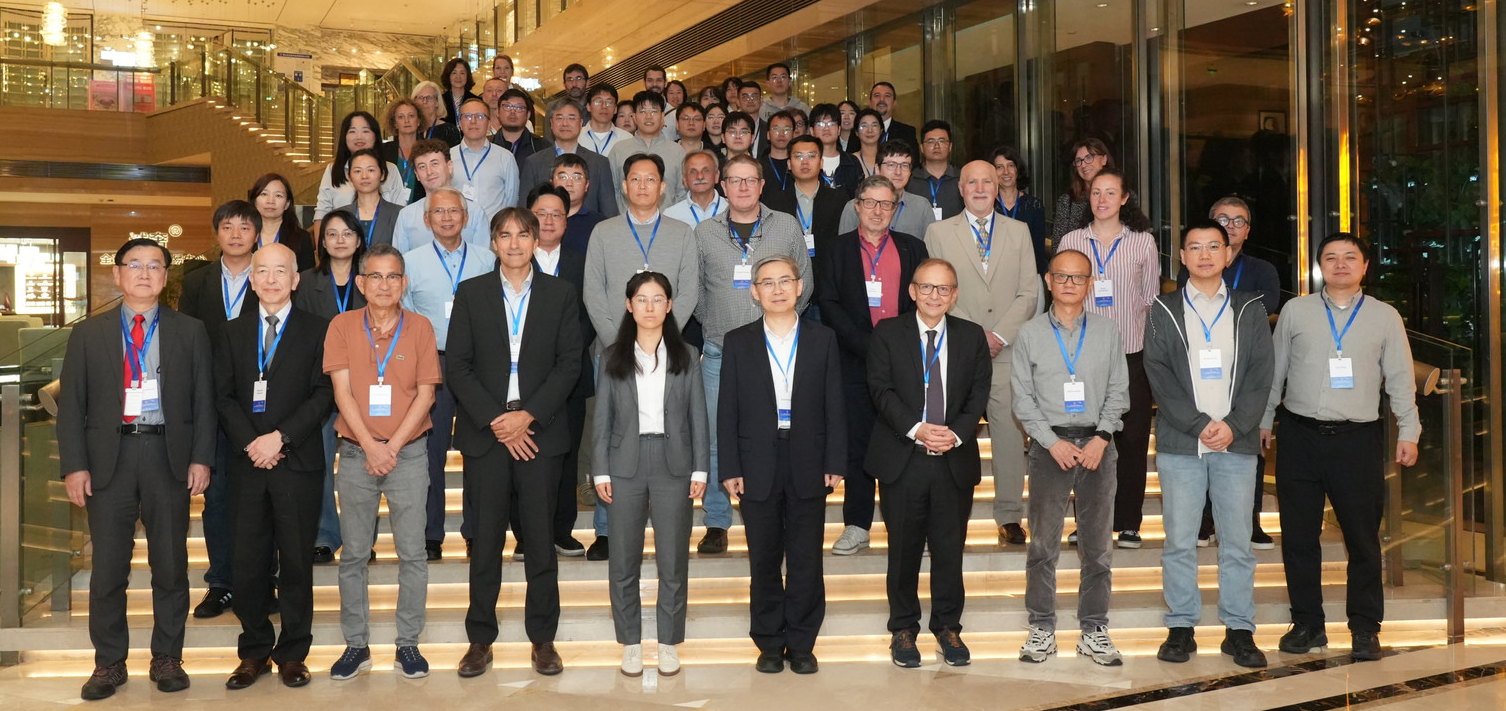
The 3rd IAEA Technical Meeting on Long-Pulse Operation of Fusion Devices (IAEA-TM-LPO) was held in Hefei from October 20 to 23. Organized by the International Atomic Energy Agency (IAEA) and hosted by the Institute of Plasma Physics (ASIPP), the meeting provided an important opportunity for high-level international technical exchange on long-pulse steady-state operation in fusion.
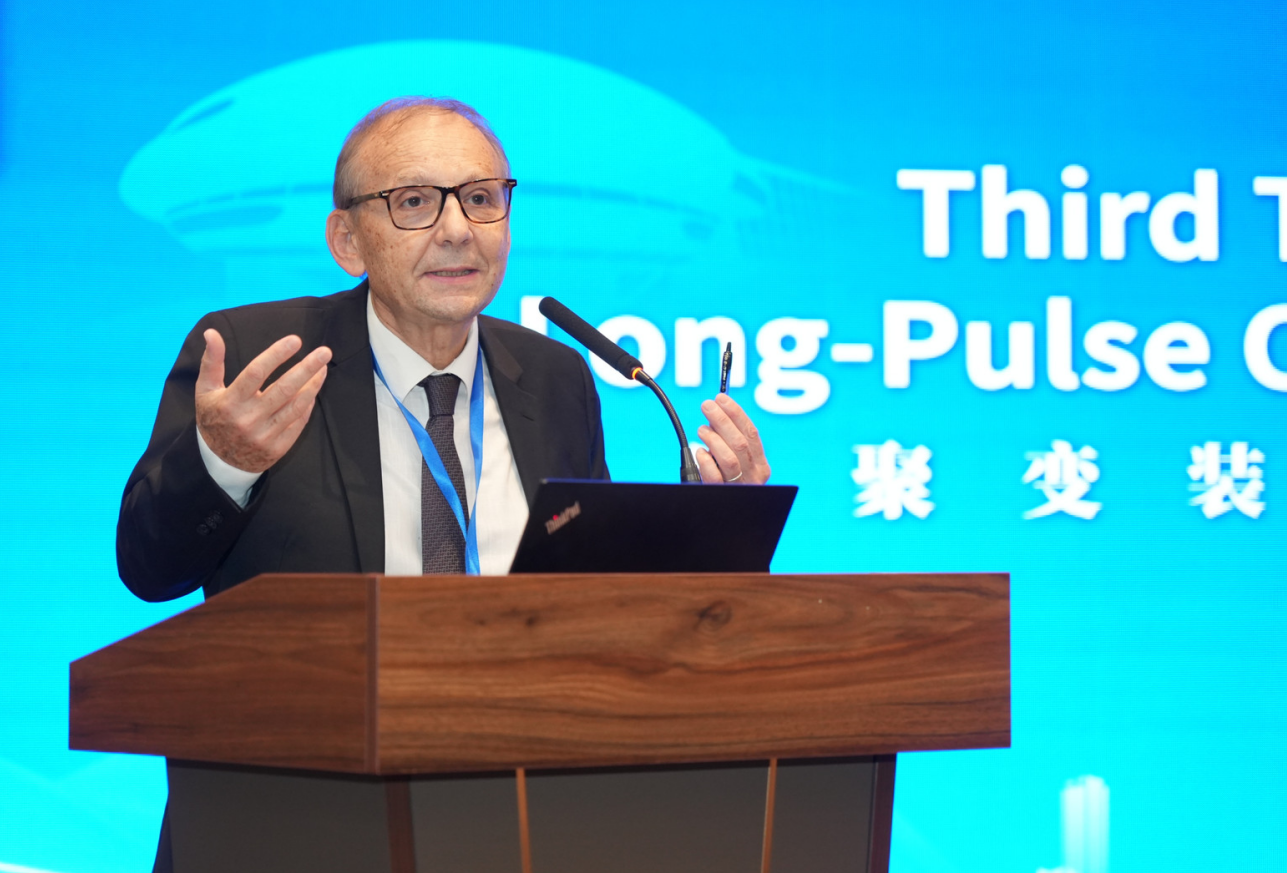
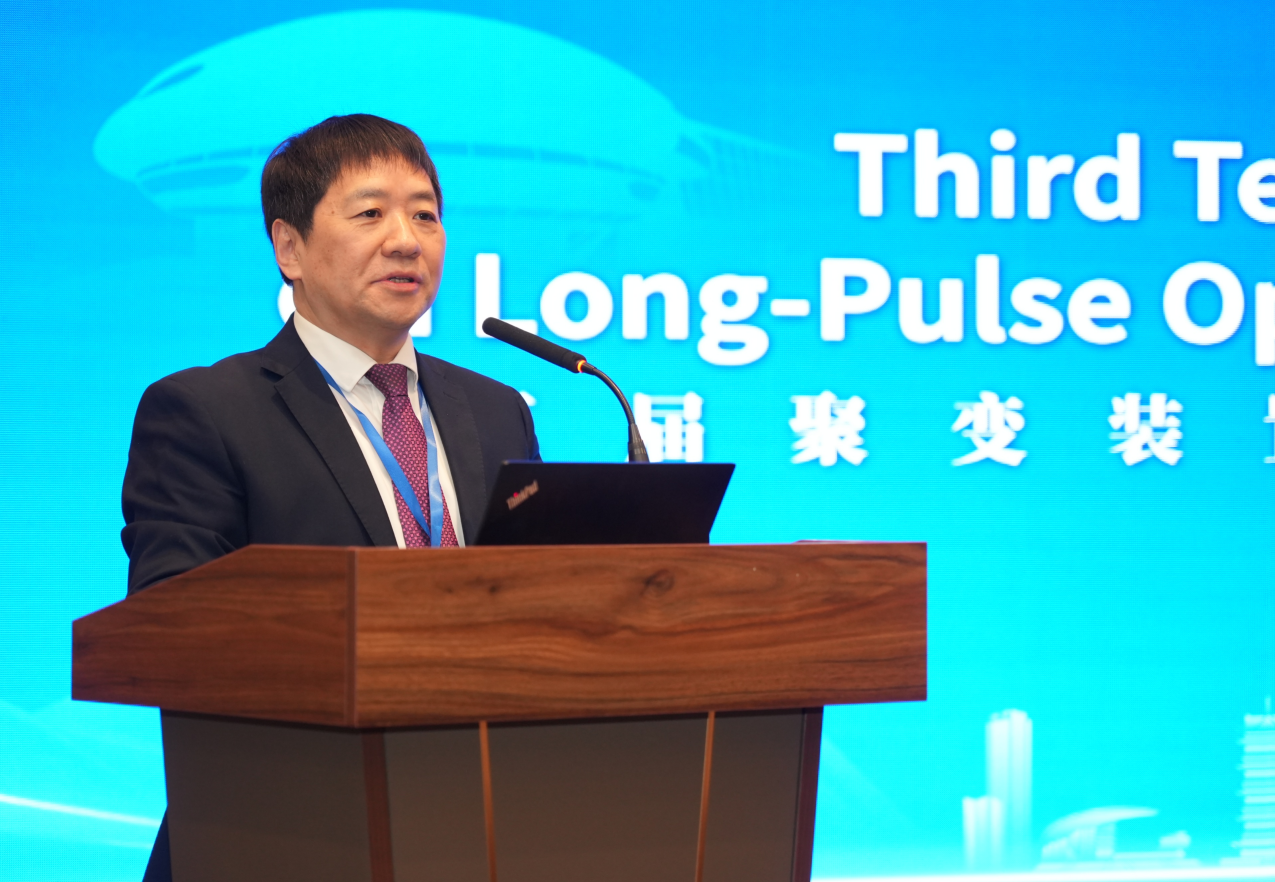
The opening session was chaired by Xavier Litaudon, from French Alternative Energies and Atomic Energy Commission (CEA). Yuntao Song, Director General of ASIPP, delivered welcome remarks. He noted that long-pulse steady-state operation is a critical step that fusion energy must achieve in moving from experimental research toward engineering application. He expressed the hope that the meeting would help deepen practical cooperation between ASIPP and the IAEA, the ITER Organization, and fusion research institutions, universities, and enterprises worldwide, and would promote exchange and joint efforts on key scientific and engineering challenges in long-pulse operation.
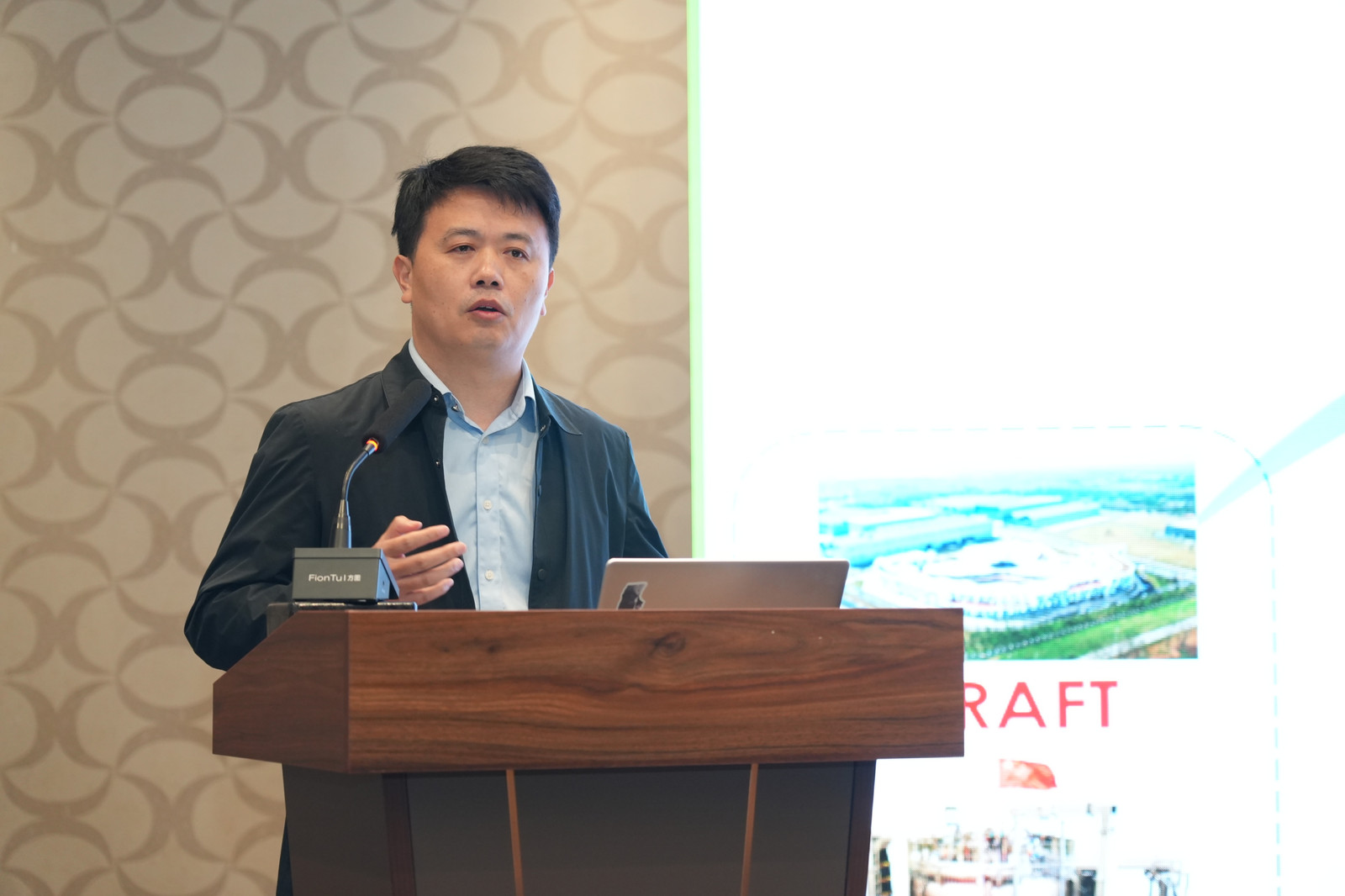
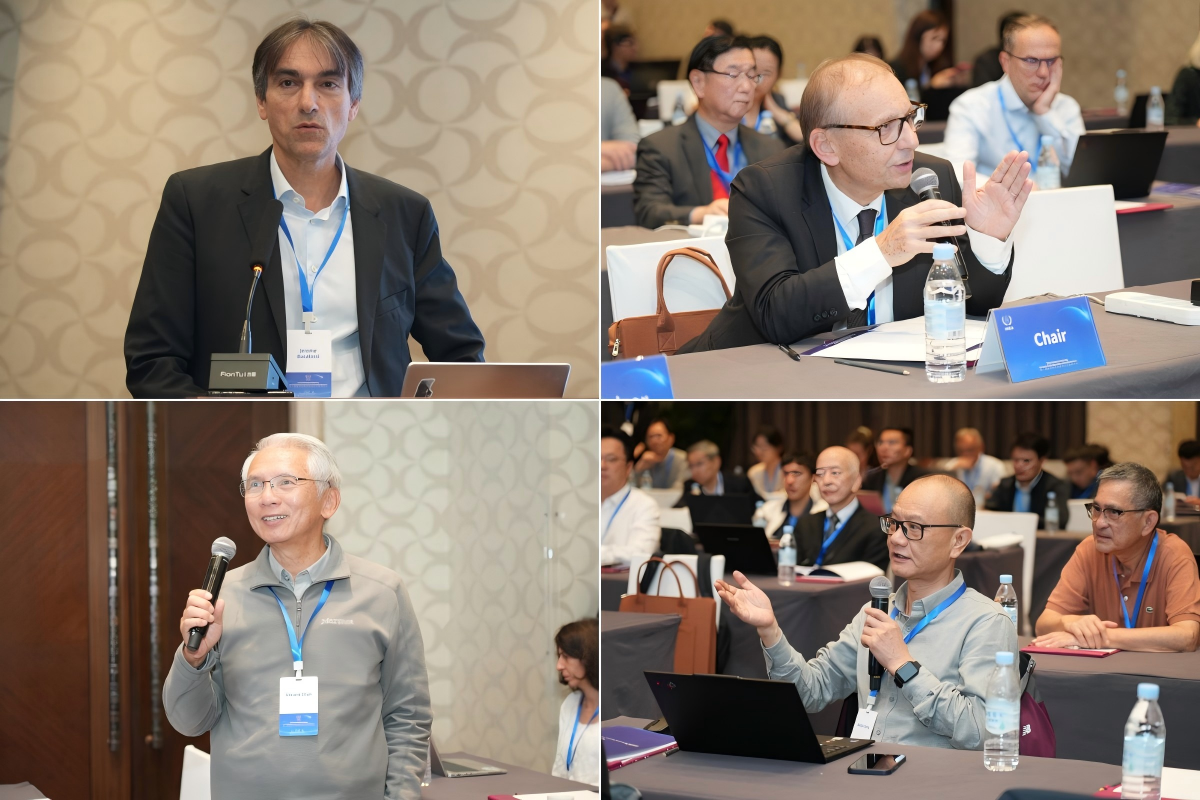
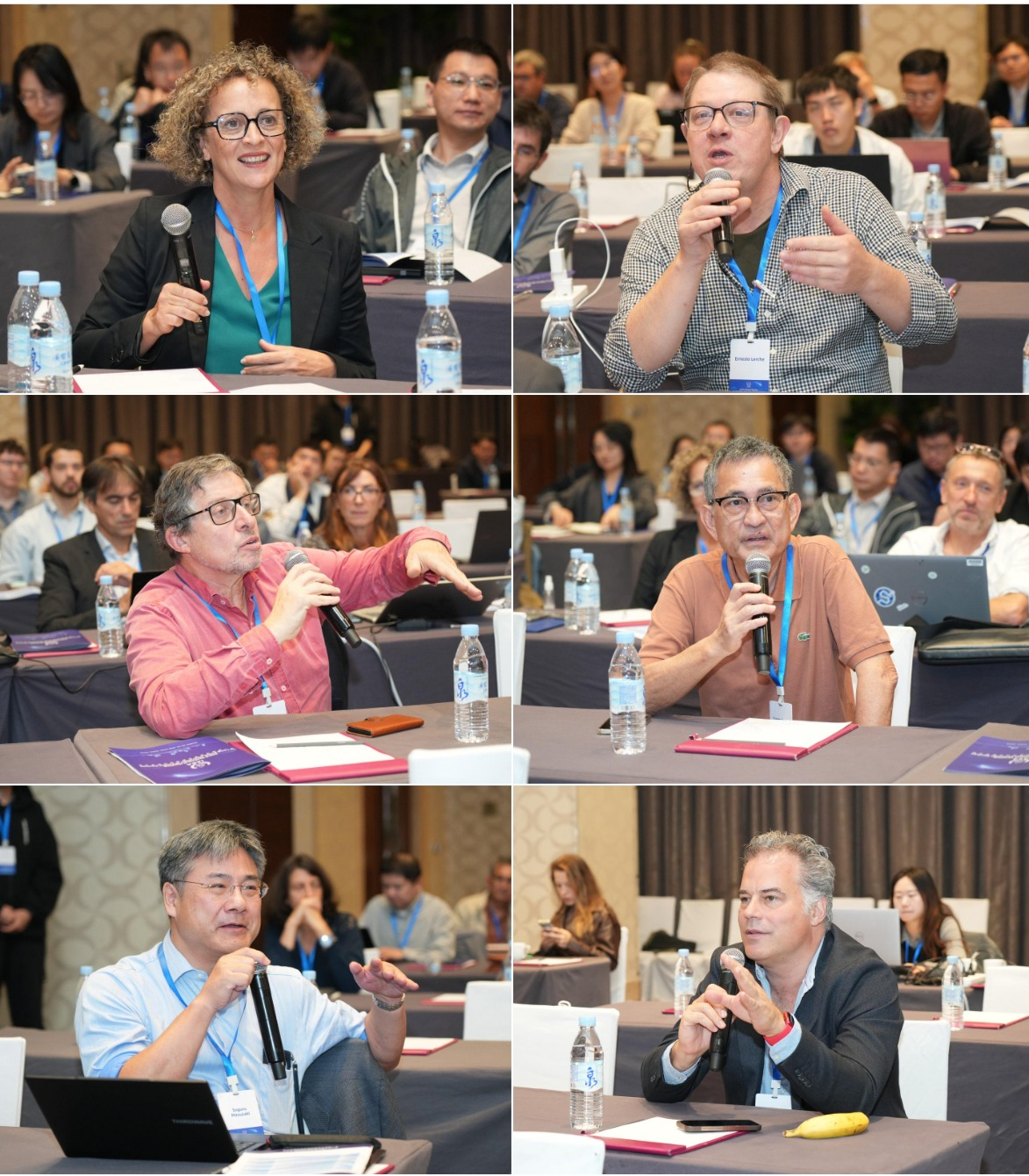
The meeting brought together scientists and engineers from the IAEA, the ITER Organization, and fusion research institutions, universities, and enterprises from various countries. Through plenary talks, topical sessions, and poster presentations, participants discussed topics including long-pulse and steady-state operation and control, plasmawall interactions exhaust and control, long-pulse heating and current drive systems, superconducting magnet technology and operation, etc.
Experts shared recent experimental data, engineering practices, and simulation results, and exchanged views on optimization approaches, key technical bottlenecks, and future directions for long-pulse steady-state operation. The discussions helped build mutual understanding and technical consensus, and offered useful references for ITER’s steady-state operation planning and the design of future fusion demonstration devices. The meeting also provided a useful platform for strengthening international cooperation in fusion science and technology.

© Institute of plasma physics, Chinese Academy of Sciences

Official account


