
count: [2026-06-26] [Close]
Recently, the last four sets of Side Correction Coils (SCC), fully independently developed by the Institute of Plasma Physics, Hefei Institutes of Physical Science (ASIPP), have been delivered to the ITER site in Marseille, France. With this delivery, all 18 sets of correction coils under China’s ITER correction magnet procurement package have been handed over in full, marking the complete conclusion of physical delivery work for this contracted task.
The ITER correction coils consist of three groups—Top Correction Coils (TCC), Side Correction Coils (SCC) and Bottom Correction Coils (BCC)—totaling 18 units arranged evenly around the vacuum vessel of the device. Their primary function is to offset magnetic field deviations induced during the fabrication and assembly of toroidal and poloidal field coils, rectify distortions in magnetic field configuration, and act as indispensable magnetic field regulators for stable ITER operation.
Since undertaking the development task in 2010, the project team from ASIPP has carried out 15 years of sustained independent research and development. The team has overcome technical hurdles including manual welding with intermittent temperature control for superconducting magnet helium circuits, and developed a high-power deep penetration laser welding process to address welding deformation challenges for large superconducting coils, significantly shortening the manufacturing cycle. It has also built China’s first production line for winding large non-circular cross-section tension-free superconducting magnets to realize high-precision winding of three-dimensionally curved coils, and cooperated with domestic steel mills to develop ITER-grade 316LN austenitic stainless steel profiles.
Going forward, ASIPP will continue to conduct on-site technical coordination and provide support for installation and follow-up relevant work, contributing expertise and practical solutions developed through indigenous innovation to the ITER.
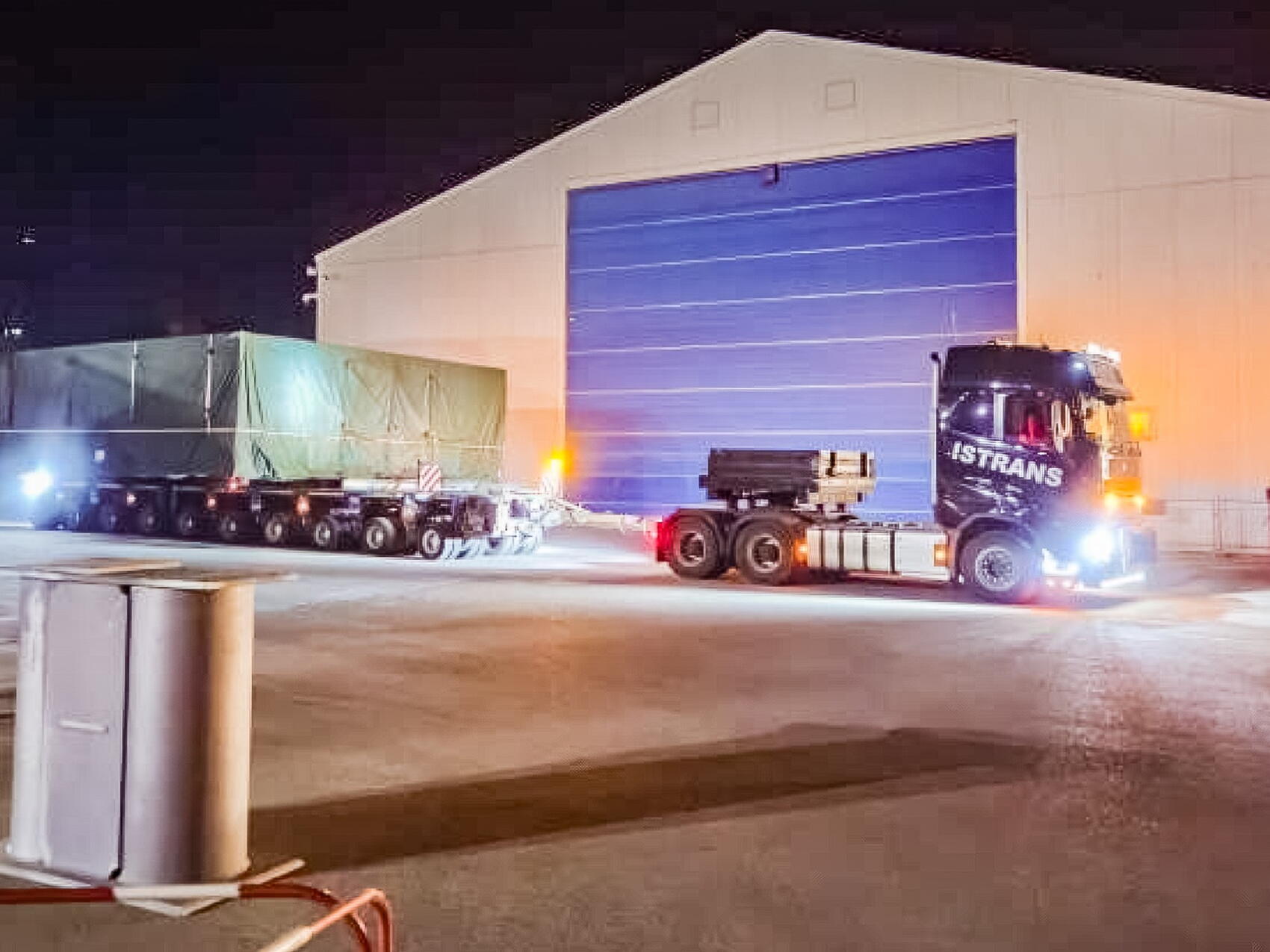
Arrival of the final pair of SCC coils (SCC2 & SCC6) at the ITER site.
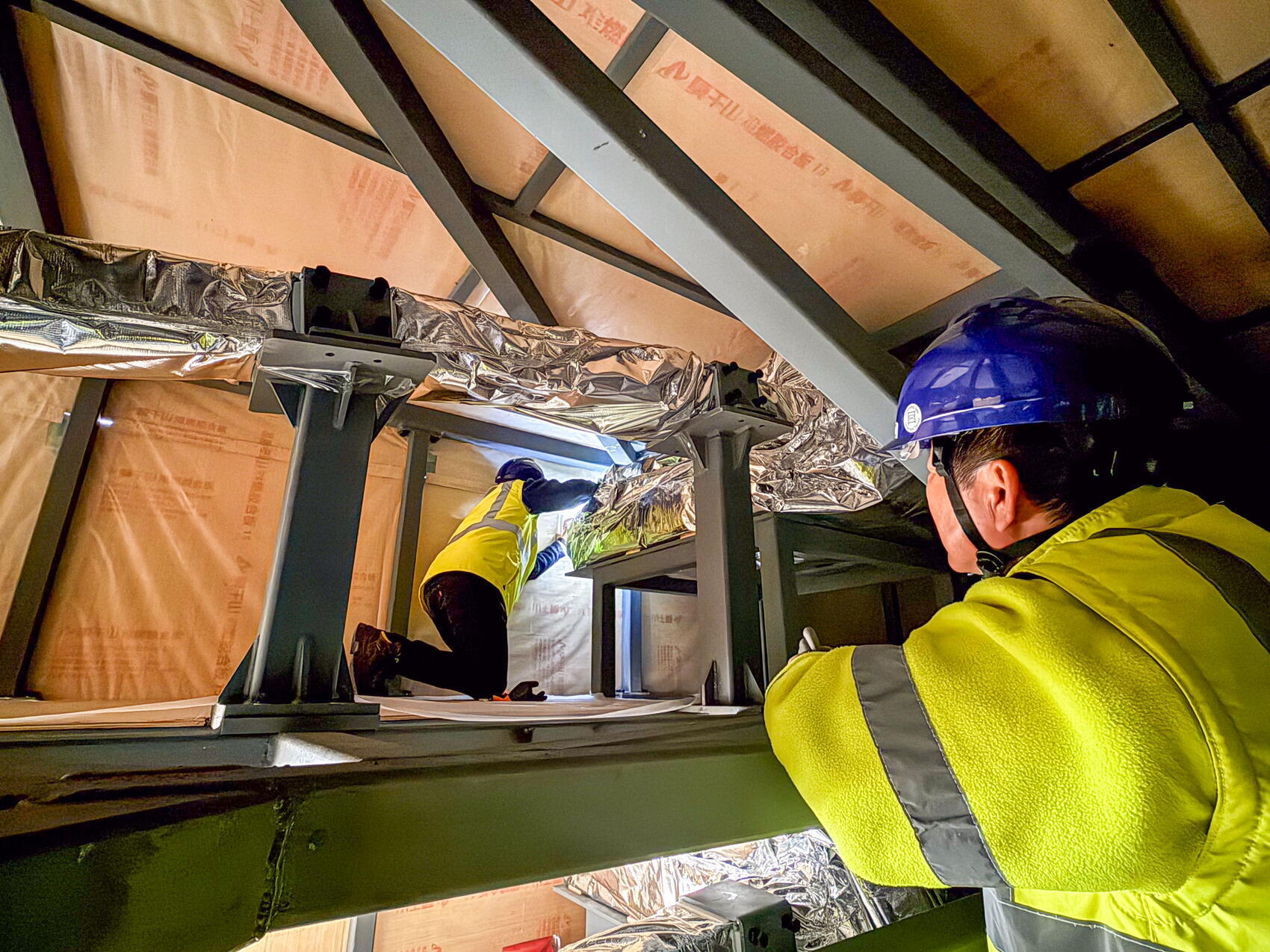
On-site acceptance inspection carried out by IO.
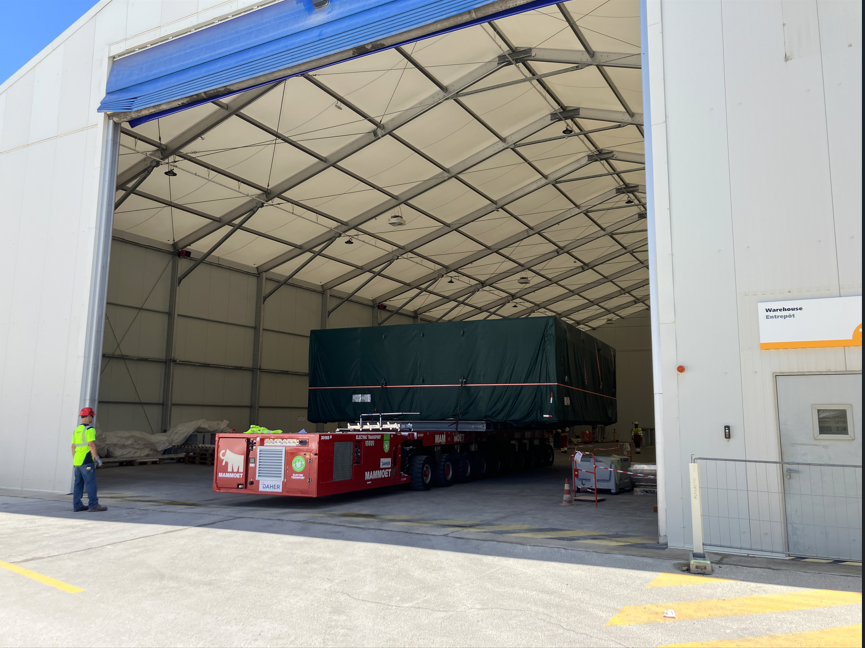
Successful warehousing of SCC coils.
© Institute of plasma physics, Chinese Academy of Sciences

Official account


