
count: [2026-05-13] [Close]
Recently, the completion of the leak detection test on the vacuum duct between the room-temperature terminal box (CTB) and the cryostat feed-through (CFT) of the Poloidal Field Coil 1 (PF01) marked the conclusion of Phase I assembly work for the magnet superconducting feeder system of the International Thermonuclear Experimental Reactor (ITER) project at the ITER site in France.
This represents an important step in the installation of ITER's core systems. The Institute of Plasma Physics (ASIPP) contributed technical support, assembly tooling, and key processes that helped enable the precise positioning and connection of 31 sets of magnet superconducting feeder systems in the bioshield region, supporting the successful completion of the assembly task.
As the supply system for the tokamak magnets, the magnet superconducting feeder system is responsible for transmitting energy, cooling media, and signals, as well as releasing energy and media in the event of an accident, directly influencing the operational stability and safety of the device. The system comprises 31 sets, all developed and tested by ASIPP, representing one of the more complex procurement packages for engineering undertaken by participating institutes within the ITER project.
Drawing on years of experience in nuclear fusion engineering, the ASIPP technical team has made progress in areas such as precision connections of cryogenic superconducting components and high-precision integration of multi-interface, heavy-duty equipment. The team dispatched personnel for on-site coordination, completing the design of tooling, processes, and procedures for feeder assembly, as well as the installation of critical components. They addressed challenges including millimeter-level alignment of heavy-duty equipment in confined spaces without overhead cranes, on-site connection of superconducting joints carrying tens of thousands of amperes, and insulation electrical performance testing.
The achievement of this milestone reflects the manufacturing and technical service experience that the participating teams have gained through major international scientific engineering projects. Looking ahead, ASIPP will continue to focus on advancing key fusion engineering technologies, providing technical support for the subsequent final assembly, commissioning, and experimental operation of ITER.
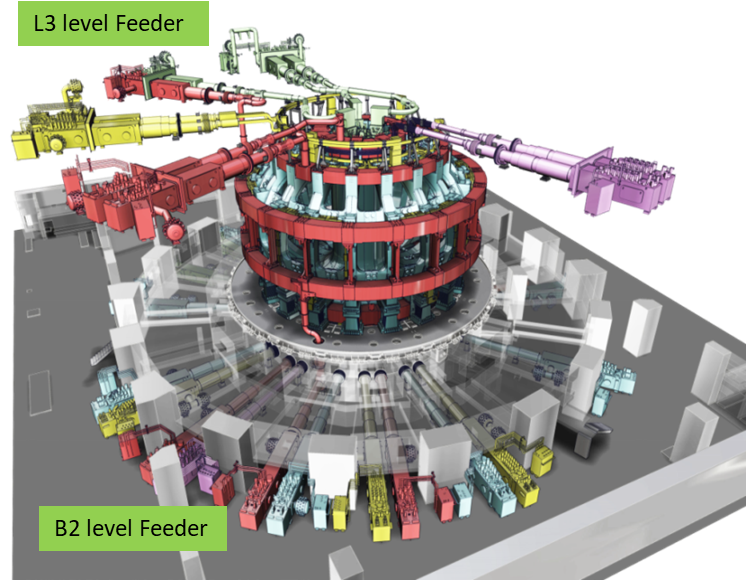
ITER magnet Feeder system
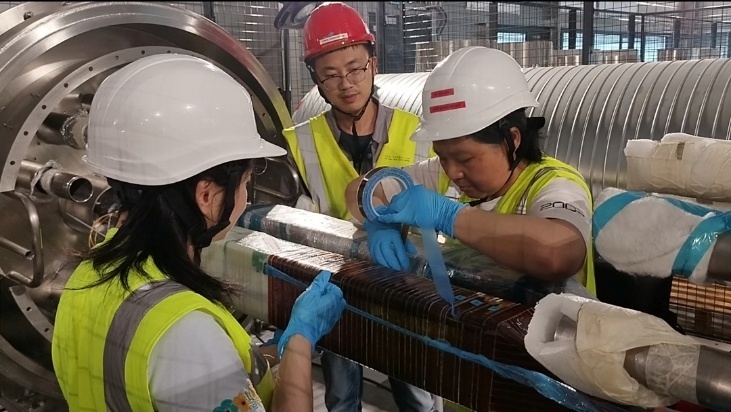
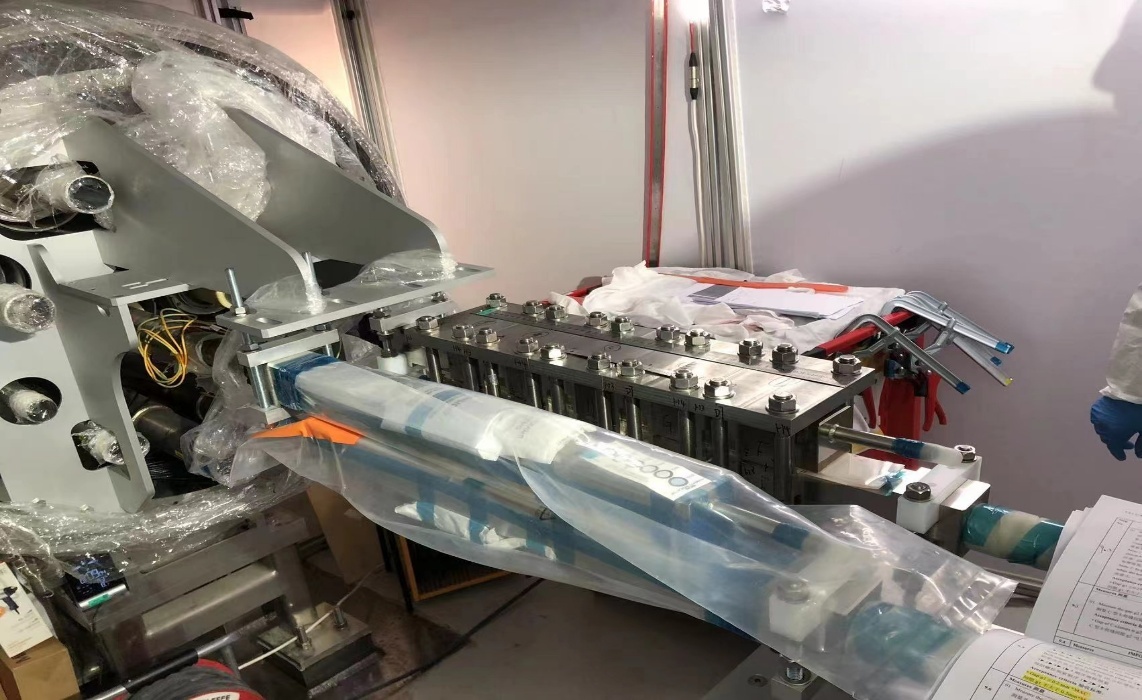
Joint assembly
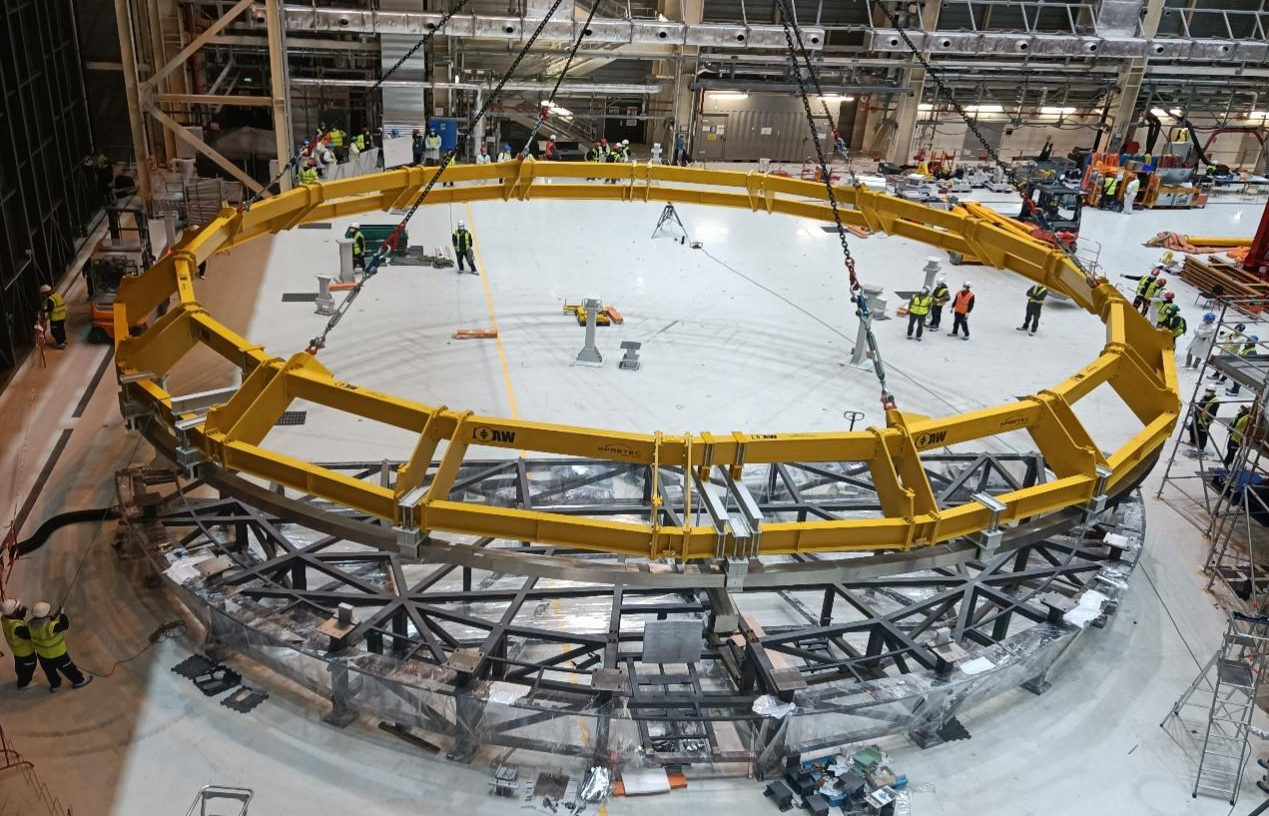
CC-ICF assembly
© Institute of plasma physics, Chinese Academy of Sciences

Official account


